Glossary of Terms

Backlash: Rotational (arc) movement due to clearance betweeen transmission elements. In reducers, upon reversing direction of the input shaft, there is no immediate rotation of the output shaft

Cycloidal: The path that a point on a circle takes as it rotates around the inside of a larger circle. A cycloidal drive replaces conventional gears with an eccentric internal cam which takes a cycloidal path inside a fixed housing; the result is a reduction in speed.

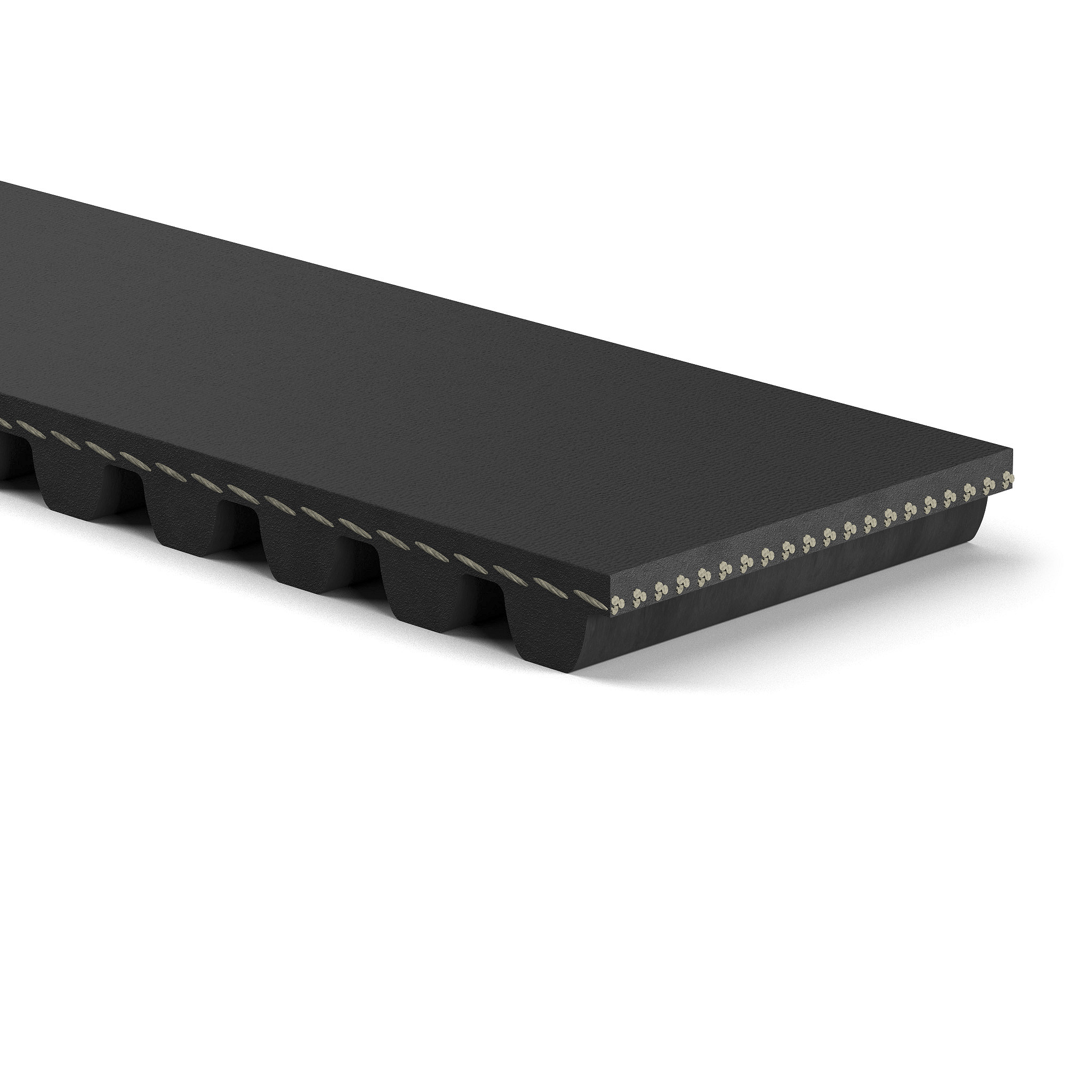
Denier: A measure of weight of a reinforcing cord equal to grams per 9000 meters

Durometer: A common measure of hardness for plastics. Typically reported as Shore A or Shore D

Efficiency: The ratio of output power to input power, stated as a percentage. Efficiency is a measure of energy losses in a drive as work is transmitted through it. Dojen drives, unlike other cycloidal drives, may have higher efficiencies because of the lower friction which results from the cam rolling--not sliding--through the axis of rotation. Efficiency is affected by load, temperature, lubrication, and tare torque.

Hysteresis: The difference in the output state of a mechanical system with respect to input history; a component of bi-directional repeatability. When the Dojen is loaded in one direction, the needle bearings, grease and steel components are deflected. When the load is removed, the components must first relax, as with any spring, before motion is reversed.

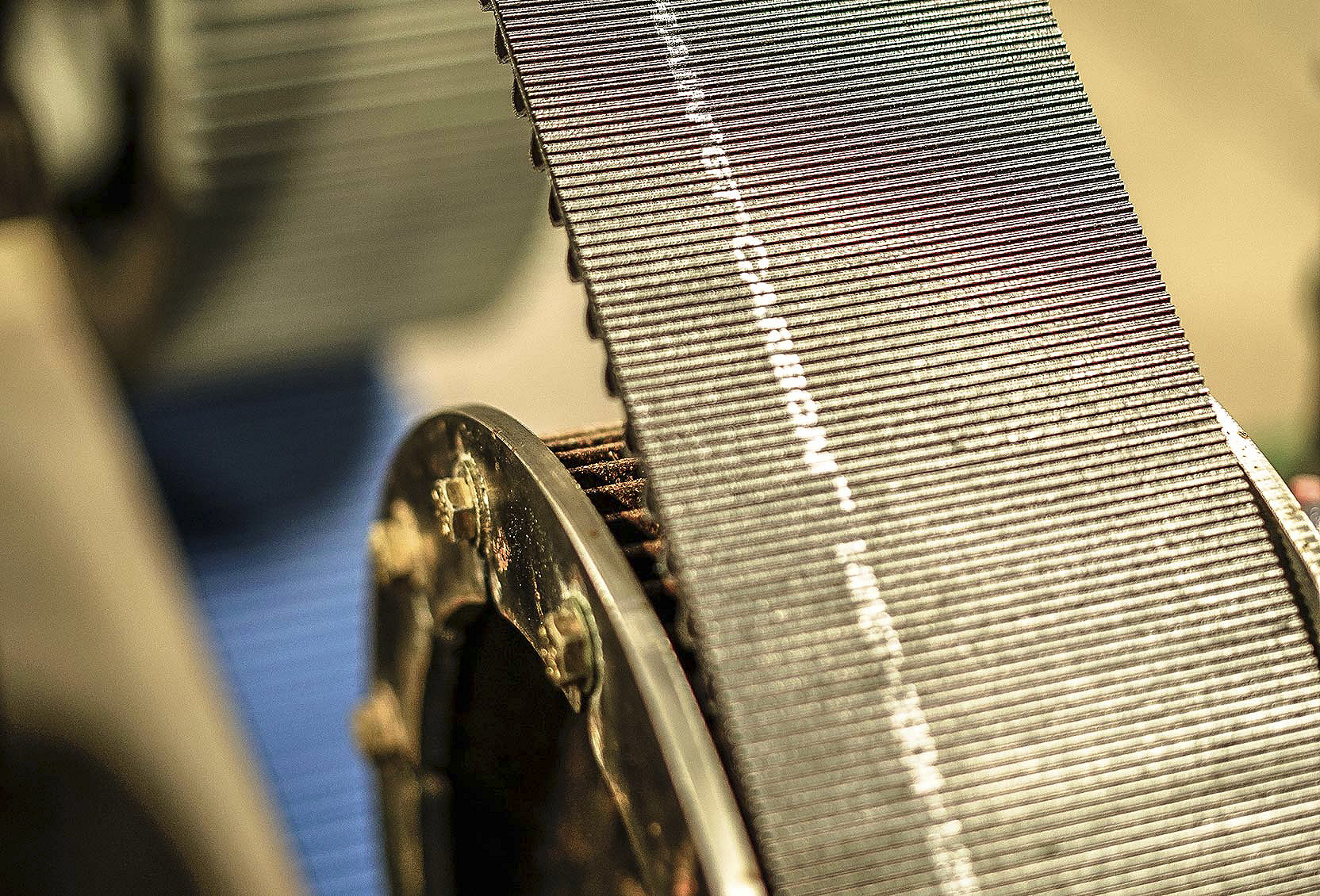
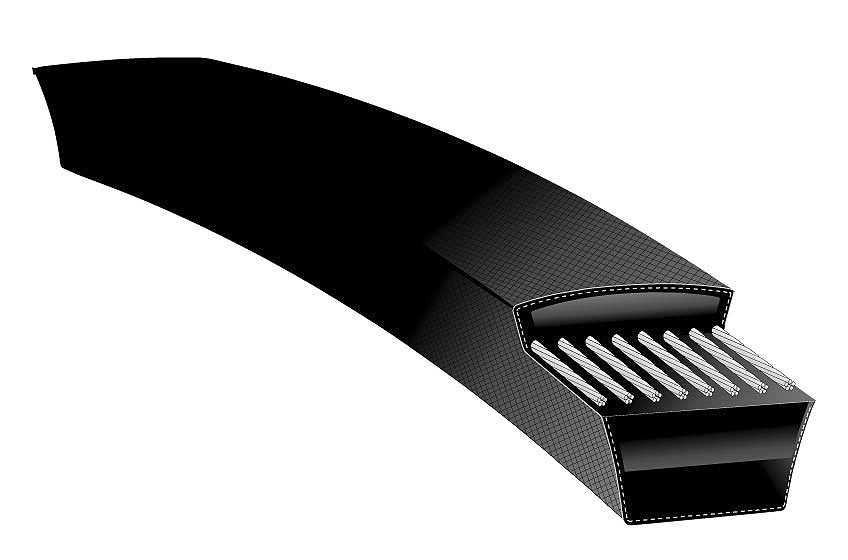
KevlarŪ: DuPont's™ tradename for their aramid fiber. This reinforcement is used in belting applications due to its high modulus (high strength, low elongation)

L10 Life: One million revolutions of the output shaft at rated load. It is the expected life of a mechanical drive before failure of its internal elements. This is a conservative average, whereas 90% of a sample will see before failure.

Lost Motion: Motion lost because of mechanical hysteresis, backlash, and torsional stiffness in a rotational control system.

Rated Torque: The torque capacity of a drive at a given input speed, based on expected life.

Reducer Accuracy (rotational): The measured difference between actual position and the commanded position divided by the reducer's ratio. May be expressed in arc minutes or arc seconds.

Repeatability: The degree of positional accuracy achieved during a controlled move, performed again and again, when approacing the target from the same direction.

Servo Motor: A low inertia, high torque, high speed motor which provides position and velocity feedback to a control system, and which receives correction signals to maximize accuracy. Servo motors are either AC or DC, brush type or brushless

Step Motor: A high torque, low speed motor used for open loop control. Step motors are used for short, rapid, repetitive motion where a good torque-to-inertia ratio is desired.

Tare Torque: The inherent frictional losses in a mechanical drive at no load. Always present in the drive and varying with input speed, it is the amount of torque which must be overcome by the input to produce a desired output torque.

Torque Margin: Provision for more input torque than required to provide for a smooth response in a control system. Torque margin accounts for unexpected variability in load inertia, mechanical wear, friction, and resonance effects.

Torque Ripple: A cyclical variation of output torque from nominal at the reducer's inherent frequency. This is present in all gear systems. Cycloidal drives normally display slightly higher torque ripple than gear reducers.

Torsional Stiffness: The ability to resist rotational movement for a given applied torque. It is the torsional spring constant of a mechanical drive. A stiffness rating of 200 Lb/min simply means that it takes 200 Lb-in of torque to deflect the output shaft by 1 arcminute or 1/60 of a degree

Z or S Twist: The direction that a cord is twisted (right or left hand). Gates Mectrol alternates S and Z reinforcing cords to eliminate tracking problems

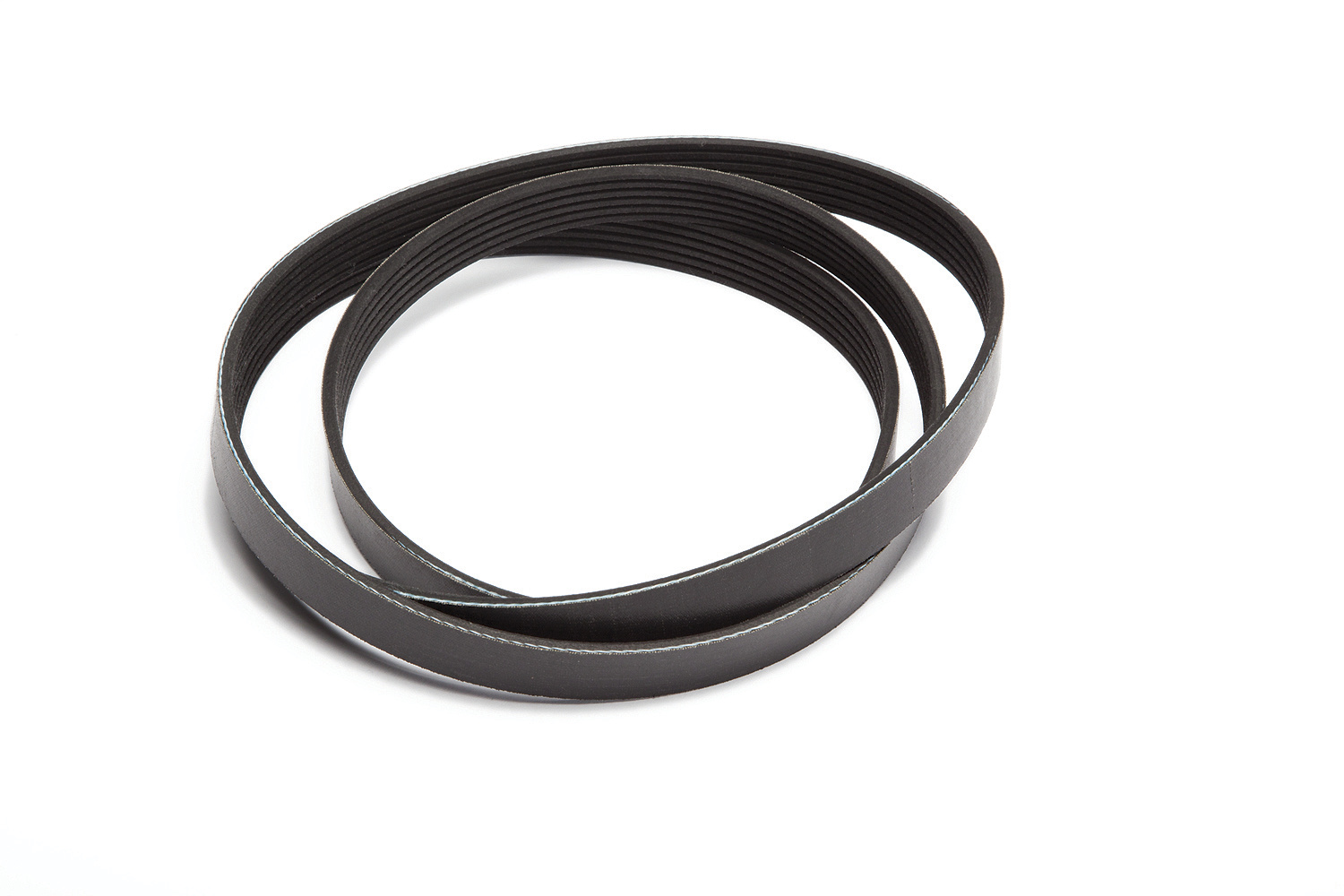
Zero Backlash Pulley: A pulley machined with a tooth profile that minimizes the play when a timing belt is in mesh

DuPont™ and KEVLARŪ are trademarks or registered trademarks of E.I. du Pont de Nemours and Company